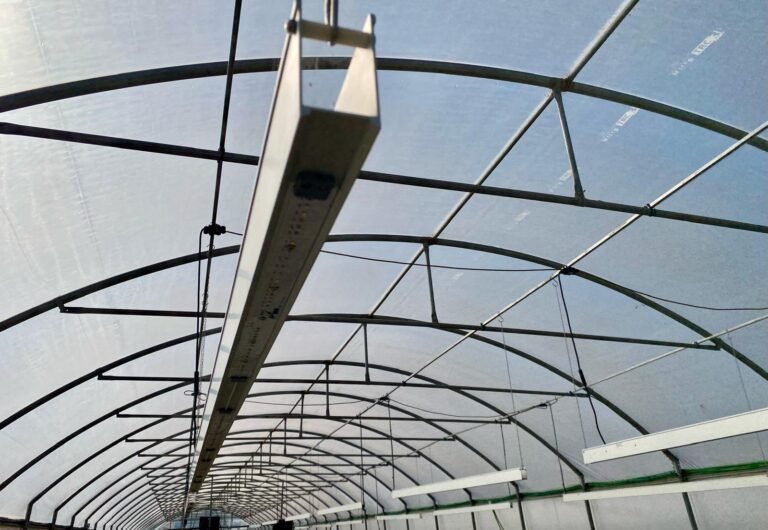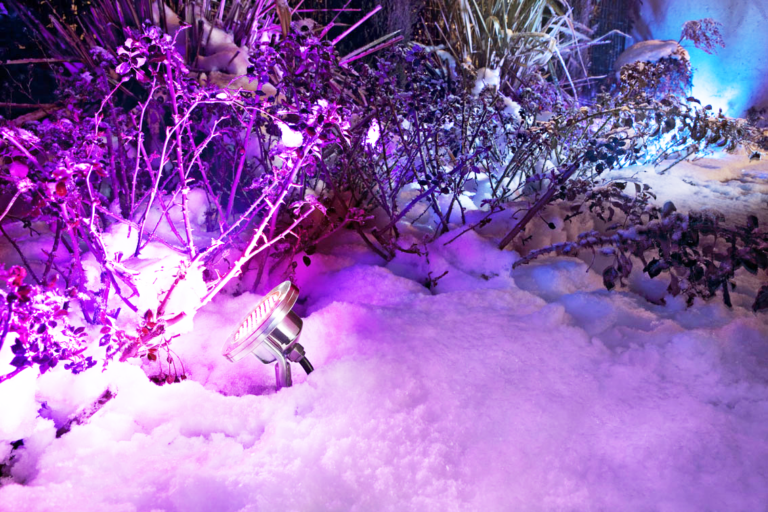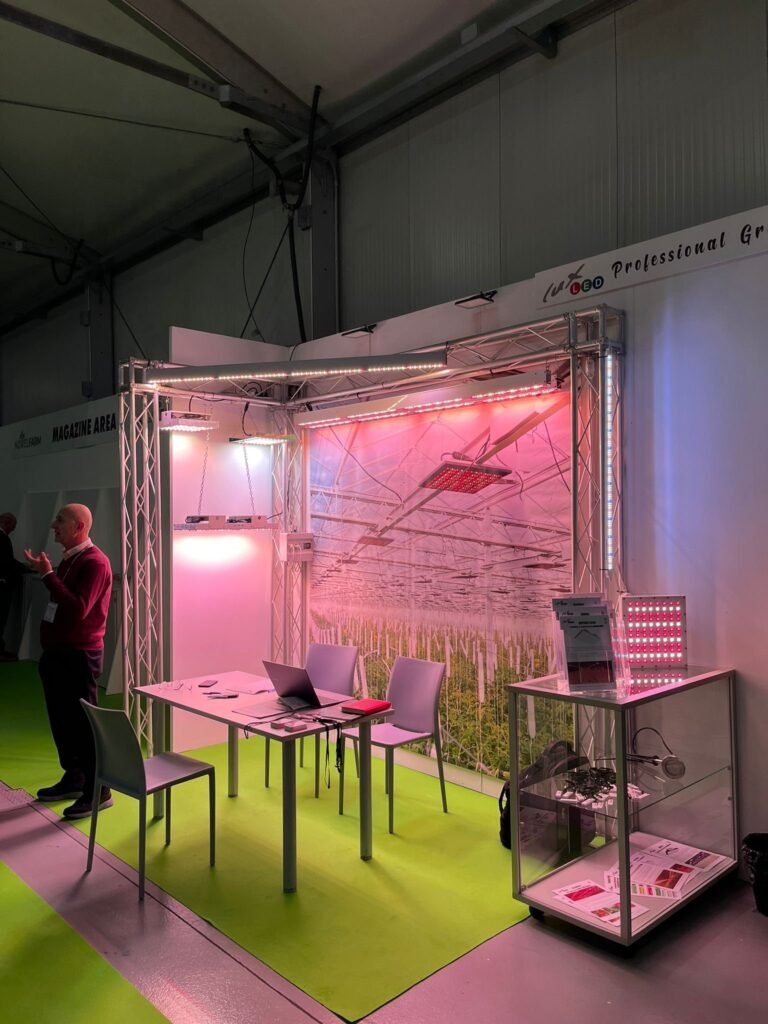
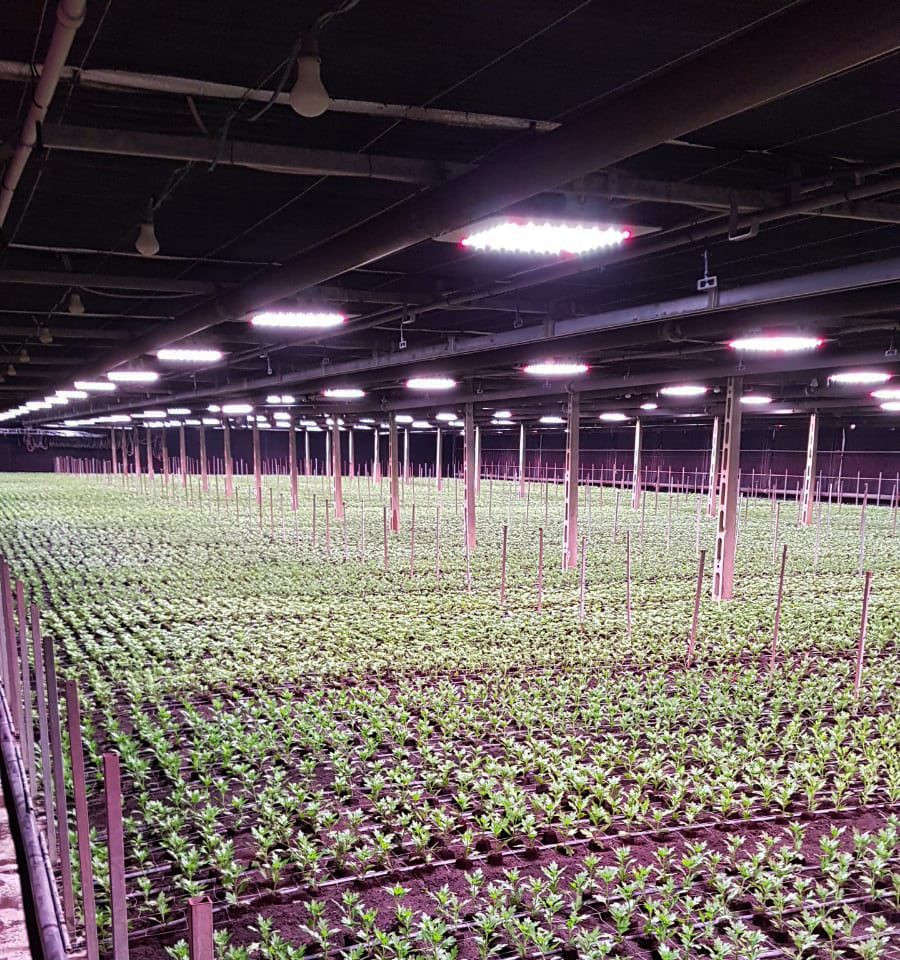
In most retrofits by other manufacturers, the power gap—the difference between the previous fixtures (mostly high-pressure sodium lamps) and the LED replacements—is about 20%. Essentially, traditional 600W HPS lamps are still being replaced by 450-480W LED fixtures.
This is undoubtedly a significant difference! But are we sure that in 2024, we can’t do better?
Power (expressed in watts) is actually just one of the many characteristics of a horticultural fixture; in addition to the power generated by the fixture, all other parameters of a greenhouse must always be considered: its size, latitude, orientation to natural light, internal microclimate, type of cultivation, etc.
Even today, too much, if not exclusively, focus is placed on the concentration of power generated by the light fixture, thus giving rise to the “false myth” that more power (and therefore more watts) equals better results. The problem is that by following this line of thinking, the aforementioned gap remains stuck at that 20%, with no possibility of achieving any improvement in energy efficiency and therefore costs.
We want to share with you how we debunked this myth.
ALTOPASCIO BLUMEN (http://www.altopascioblumen.it, located in the province of Lucca, is a successful grower operating in Tuscany since 1974. This family-run company primarily specializes in the cultivation of cut chrysanthemums (during its approximately three-month life cycle, the plant grows from 15 cm to 1 meter in height. They bear oval leaves with incised edges. The inflorescences are flower heads. The ray florets, similar to petals, vary in shape, color, and arrangement). A year-round production cycle for the domestic market. Given the need for constant and continuous production, all Altopascio Blumen greenhouses had long been illuminated with HPS sodium lamps.