
Agrivoltaics (or agro-photovoltaics) is a technology that integrates agricultural production and solar energy generation on the same land or structure. It’s not just about photovoltaics above fields, but rather solutions where energy production coexists with crops, livestock, and other agricultural activities, helping optimize land use and make the agro-energy supply chain more sustainable.
In Italy, agrivoltaics is growing rapidly, with hundreds of projects approved thanks to incentives from the National Recovery and Resilience Plan (PNRR) and specific calls for proposals promoted by the Energy Services Manager (GSE) to accelerate the adoption of this technology.
⚡ Why agrivoltaics is attractive for agriculture and greenhouses
- Dual use of agricultural land
One of the main characteristics of agrivoltaics is the maximization of land use: the land is not taken away from agriculture, but can produce electricity from renewable sources simultaneously with cultivation. - Reducing Greenhouse Energy Costs
Agricultural greenhouses require significant energy for artificial lighting, air conditioning, ventilation, and control systems. Installing integrated photovoltaic panels—or dedicated agrivoltaic systems—allows you to self-produce the electricity needed for these systems. According to studies and real-world cases, integrated photovoltaic energy can significantly cover the electricity needs of a greenhouse and other agricultural systems (such as irrigation, sensors, and automated systems), reducing dependence on the traditional electricity grid and reducing overall operating costs. - Environmental Sustainability and Agronomic Resilience
The partial shading of agrivoltaic panels can reduce water evaporation from the soil and help crops withstand thermal stress and drought, improving water use efficiency and reducing irrigation consumption.
💡 Focus: Greenhouse Lighting and Agrivoltaics
📌 Renewable Energy for LEDs and Control Systems
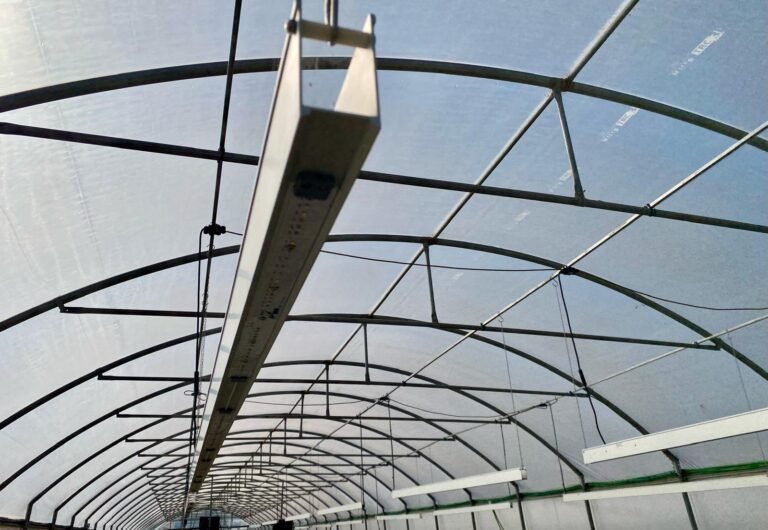
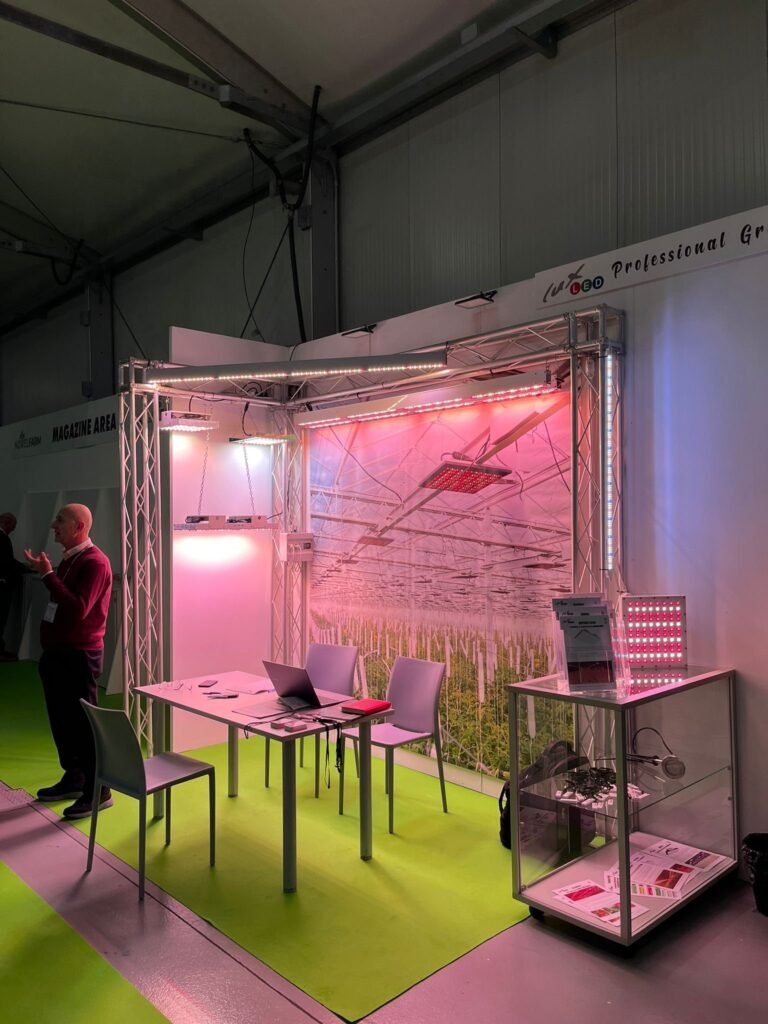
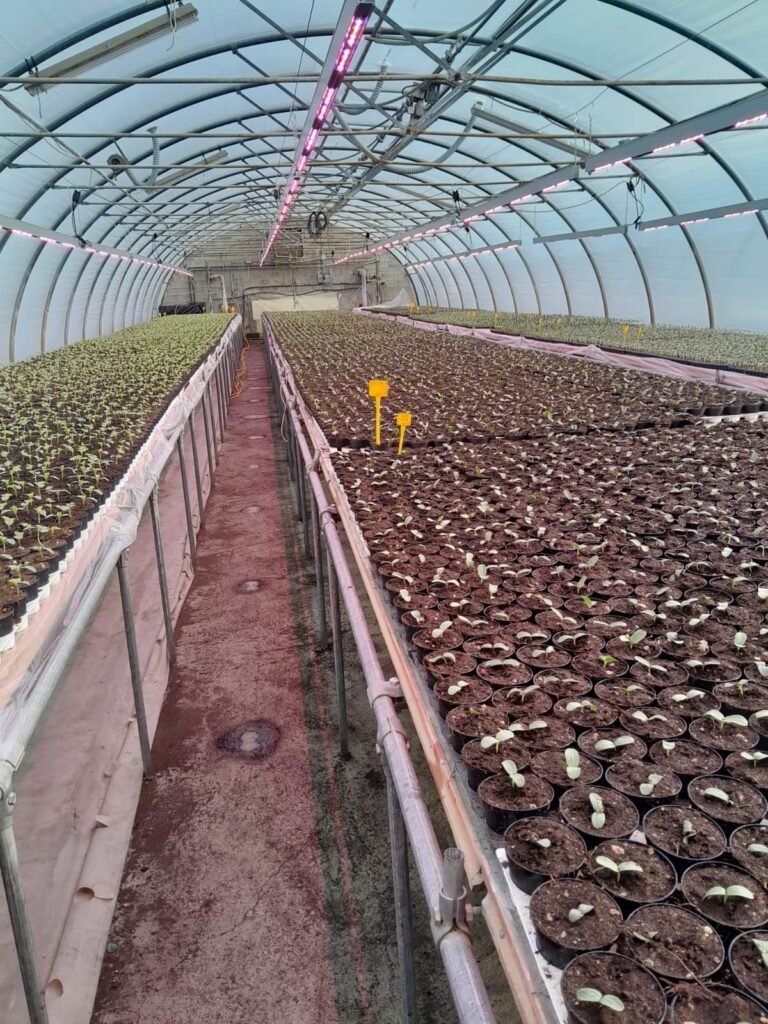
Energy generation through agrivoltaics can directly power artificial lighting in greenhouses, particularly high-efficiency LED lamps. This reduces energy costs and the CO₂ associated with fossil-fuel electricity, improving the sustainability of production cycles.
📌 Coupling with Storage Systems and Smart Management
By using storage batteries and smart energy management systems, energy generated during peak solar production hours can be stored and used at night or during peak demand hours (such as during intensive lighting or air conditioning cycles). This accelerates the return on investment and reduces exposure to energy price peaks. (There is no specific Italian data on this aspect, but the technical rationale is supported by studies on the agrivoltaic sector and photovoltaic greenhouses in general.)
💰 Economic benefits of agrivoltaics for greenhouses
✅ Energy cost savings
Producing electricity on-site can significantly reduce the overall energy bill associated with greenhouses, especially for lighting and ventilation.
✅ Revenue diversification
Excess energy produced can be fed into the grid or sold through supply contracts, creating an additional source of income beyond agricultural production. In Italy, PNRR incentives and GSE tenders provide non-repayable grants and incentive tariffs for agrivoltaic systems.
✅ Public incentives and grants
Thanks to Italian policies, farmers and agricultural entrepreneurs can access PNRR funding, GSE tenders for agrivoltaics, and bonuses for renewable energy systems that reduce the initial investment and shorten the payback period.
📊 Challenges to Consider
🔹 Careful Design: Panels must be positioned and configured so as not to excessively compromise the direct sunlight needed by plants.
🔹 Initial Costs: The initial investment can be higher than a traditional photovoltaic system, especially if integrated with storage and advanced energy management technologies.
🔹 Regulations and Permits: In Italy, agrivoltaic projects must comply with specific regulations regarding agricultural land and incentive calls, requiring technical and administrative expertise.
🧾 Conclusion
Agrivoltaics represents one of the most promising solutions for making agricultural greenhouses more efficient, sustainable, and less dependent on external energy costs. By integrating photovoltaic panels into agricultural systems, farmers can reduce lighting costs, increase operational resilience, and access new sources of income through renewable energy production. Furthermore, thanks to PNRR incentives and specific calls for proposals, the investment can be